
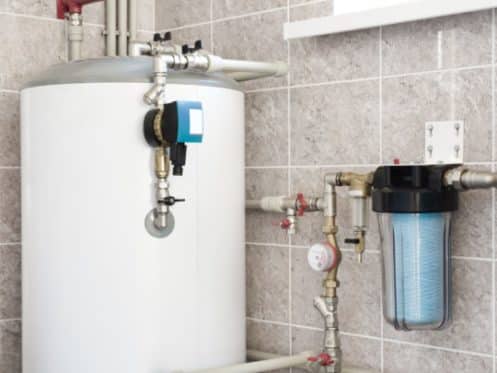
Expansion tanks are an essential part of any water heater system. But what exactly are they, and do you need one? Read on to learn the purpose of an expansion tank, how it works, and when you should consider installing one in your home.
What Is a Water Heater Expansion Tank?
Water heaters that have a closed system usually come equipped with an expansion tank as a safety measure to protect the heater and all other components in the system from damage. A water heater expansion tank is usually located directly above the water heater. The purpose of the expansion tank is to manage thermal expansion, a phenomenon in which water expands as it is heated up.
In most cases, the pressure in standard water heaters will hover between 50-100 PSI. However, without an expansion tank, the internal pressure within your water heater could increase in excess of 100 PSI, which can cause serious damage to components both inside and beyond the appliance. Common components which could be damaged due to excessive thermal pressure include the pipes, valves, connectors, and external cylinder casing. In extreme cases, the water heater can explode, leading to flooding and property damage.
Therefore, it is critical that if your particular water heating system operates in a closed loop, there should be an appropriate expansion tank fitted to prevent any unwanted pressure from pushing beyond safe limits.
How Does an Expansion Tank Work?
An expansion tank is divided into two parts by a rubber diaphragm – one part contains the water and is connected to your heating system, whereas the other contains pre-charged air pressurized to approximately 12 psi. As thermal expansion occurs in the heating system, the diaphragm moves downward, thereby compressing the air within the tank and allowing it to absorb changes in pressure. Not only does this protect your appliances and plumbing fixtures, but it also helps regulate water pressure levels and maintain balanced circulation throughout your home.
Do You Need an Expansion Tank?
Most homes will require an expansion tank due to local building codes or regulations set forth by their municipality or state government. If you live in an area where there is a chance for significant fluctuations in water pressure, then having an expansion tank installed can help protect your plumbing from damage due to over-pressurization. Furthermore, if you have recently replaced your old water heater with a new model, then you may need to install one to protect your investment.
What Pressure Should an Expansion Tank Be?
An expansion tank should be set to match your home’s incoming water pressure so it can properly absorb the extra volume created when water heats up. In many homes, this pressure typically falls between 40 and 60 PSI, but the exact setting should be confirmed by measuring your system’s static water pressure. If the expansion tank pressure is too high or too low, it cannot regulate pressure effectively, which may lead to stress on your water heater and plumbing system.
What Happens If Expansion Tank Pressure is Too High?
If your water heater expansion tank pressure is too high, the tank may not accept expanding hot water the way it should. Instead of compressing the air cushion inside the tank, pressure can spike in the plumbing system whenever the water heater runs, which can lead to potentially damaging symptoms like a dripping relief valve, water hammer, stressed shutoff valves, and leaks at weak fittings or appliances. Over time, consistently high pressure can put extra strain on the water heater and your plumbing system, shortening the life of components and increasing the chances of an unexpected leak or failure.
How to Tell If Your Water Heater Is Over Pressurized
A water heater that is over pressurized may show warning signs such as water dripping from the temperature and pressure relief valve, fluctuating water pressure, or loud banging or popping noises when hot water is running. You might also notice leaks at connections or valves as pressure builds in the system. If you suspect over pressurization, it is important to stop using the system and have the pressure checked as soon as possible. A professional can identify the cause, adjust the expansion tank or pressure settings, and help prevent damage to your water heater and plumbing.
Advantages of Water Expansion Tanks
Did you know that having a water heater expansion tank installed could benefit your home in numerous ways? Let’s explore some of the advantages of installing an expansion tank.
Improved Efficiency
By installing an expansion tank, you can improve the efficiency of your existing water heater. The additional volume provided by the tank reduces fluctuations in pressure within the system, which results in less energy being used during operation. This allows for greater efficiency from your existing system and can even help lower your energy bills over time.
Protection from Pressure Build-Up
Without an expansion tank installed, pressure can build up within a hot water heating system due to thermal expansion. This excess pressure can cause damage to pipes, fixtures, and appliances connected to the system. An expansion tank absorbs this excess pressure and prevents potential damage from occurring.
Prevention of Leaks
Being proactive instead of reactive in maintaining your plumbing system is beneficial in many ways. Not only is it better on the budget, as you are avoiding costly repairs down the line, but it also assures that your system runs smoothly and safely. Installing an expansion tank is a great example of preventative maintenance, as it actively reduces excess pressure in your water heater and prevents water leakage.
Reduced Noise
Water heaters can sometimes make a noise when there is too much pressure which is beyond the safe limits. This often occurs when water is flowing through the pipes with force more significant than usual. The resulting noise usually sounds like hissing. Fortunately, installing an expansion tank in order to absorb any excess pressure can help prevent these loud sounds from coming out of your water heater.
Safety for Occupants
Depending on the size of your home, sometimes the water heaters are installed inside the bathroom. However, this does present a risk if there were ever to be a malfunction or explosion. In a worst-case scenario, if someone is showering and the water heater explodes, it could potentially cause them severe physical harm.
To reduce the risk of such an event, be sure to look out for potential warning signs of water heater damage that may lead to an explosion. These can include a leaking pressure valve, hissing noises when the water heater is working, bad installation, or even just having brown-colored water come out of the faucet.
Helps Increase Lifespan of Hot Water Heater
Without an expansion tank, a hot water heater will be under constant stress due to increased pressures which can cause damage over time. An expansion tank prevents this from happening by relieving those pressures and allows for a longer lifespan for your hot water heater.
Maintenance Tips For Water Heater Expansion Tanks
It is important to regularly check and maintain your expansion tanks to ensure that they are working properly and your water heater can operate at its best. Here are some tips for maintaining your water heater expansion tank.
Check for Leaks Regularly
If left unchecked, leaks could lead to more serious issues, such as corrosion or even flooding. Make sure you regularly examine the expansion tank for signs of leaking or damage. If there are any visible signs of leakage, contact a professional plumber right away to look into the issue further and address it if necessary.
Inspect Pressure Settings
The pressure settings on your expansion tanks should be checked periodically, as incorrect settings can cause problems with how well the unit works. An ideal pressure setting is 12-40 psi (pounds per square inch). If you find that the pressure is not set correctly, consult with a professional plumber for help in making adjustments.
Replace Old Expansion Tanks
It’s crucial to replace old expansion tanks to ensure they are working properly and not causing any issues with your plumbing system. Expansion tanks have an average lifespan of 5-10 years, so it’s wise to replace them after this time has passed to avoid potential problems such as corrosion or cracking due to age-related wear and tear.
Inspect Connections Regularly
The connections between your water heater expansion tank and other components—such as pipes or valves—should also be inspected regularly for signs of corrosion or any other damage that may have occurred over time. If any connections look worn or damaged, they should be replaced immediately so as not to compromise the safety and performance of your system as a whole.
Call Professionals Today!
When something goes wrong with your water heater, you need clear answers and dependable service. AJ Danboise Plumbing, Heating, Cooling, and Electrical helps homeowners in Farmington Hills and the surrounding areas with hot water expansion tank installations, water heater repairs, and other plumbing solutions. If the problem goes beyond plumbing, we also provide HVAC, electrical, and indoor air quality services to keep your home comfortable year-round. Call us today to schedule a consultation.