
Winter brings freezing temperatures across Michigan, and many homeowners seal their houses tightly to keep out the cold. While this helps preserve heat, it can also reduce ventilation, allowing dangerous carbon monoxide (CO) gas to accumulate if combustion appliances malfunction.
This invisible, odorless gas poses a serious threat, especially when heating systems run constantly. Protecting your family from carbon monoxide poisoning is vital. At AJ Danboise Plumbing, Heating, Cooling & Electrical, we want to ensure you understand the risks and how to maintain a safe home. Knowing the sources of CO is the first step toward prevention.
What’s Carbon Monoxide and Why Is It Dangerous?
Carbon monoxide is a toxic gas often called the “invisible killer.” It has no color, odor, or taste, making it impossible to detect without a dedicated device. CO forms whenever fuel, such as natural gas, propane, oil, or wood, burns incompletely or when venting systems are blocked. Common household sources include furnaces, gas stoves, fireplaces, and water heaters. The danger lies in how CO interacts with the body.
When inhaled, it enters the bloodstream and binds to red blood cells, displacing oxygen. This deprives vital organs, especially the brain and heart, of oxygen. Low levels of CO may cause headaches and fatigue, while high concentrations can lead to unconsciousness or death within minutes. Because the gas gives no warning signs, reliable detection and maintenance are essential.
Common Sources of Carbon Monoxide Exposure
Several household systems can emit CO if they aren’t properly maintained or vented. In winter, when heating demand is high, those risks increase. Identifying and inspecting potential sources prevents dangerous buildup indoors.
The most common residential CO sources include:
- Malfunctioning furnaces or boilers
- Gas water heaters with blocked flues
- Clogged chimneys or exhaust vents
- Gas stoves or ovens used for space heating
- Portable generators operated too close to the home
- Vehicles idling in attached garages
We often see these issues in Michigan homes once the snow sets in. Regular inspection of heating and ventilation systems ensures safe operation and prevents CO leaks.
Recognizing the Subtle Symptoms of CO Poisoning
Early symptoms of CO exposure can resemble the flu or food poisoning, which makes them easy to dismiss. Understanding these warning signs can save lives.
Symptoms of mild to moderate exposure include:
- Dull headache
- Dizziness or weakness
- Nausea or vomiting
- Shortness of breath
- Confusion or blurred vision
As poisoning worsens, symptoms become more severe and may include disorientation, loss of consciousness, or death. If you suspect CO exposure, move immediately to fresh air and call 911. Never delay medical attention; it can be lifesaving.
The Critical Role of Proper Furnace Maintenance
Your furnace provides essential heat during winter, but it’s also a potential CO source if not properly maintained. That’s why annual professional service is non-negotiable. A trained technician inspects the system, including the heat exchanger that separates combustion gases from household air. Cracks, corrosion, or burner issues must be repaired promptly to prevent CO from leaking into your living space.
During a professional furnace tune-up, technicians check the burner, verify safe ignition, and ensure all exhaust pathways are clear. They also measure combustion efficiency to confirm the fuel-to-air ratio is correct. Beyond reducing risk, proper maintenance lowers energy bills and improves performance. Keeping your furnace in top condition is one of the most effective ways to protect your family from CO exposure.
Essential Steps for Carbon Monoxide Prevention
Preventing carbon monoxide poisoning takes a combination of maintenance, awareness, and smart safety devices. Along with annual inspections, every homeowner should take the following precautions:
Install and Maintain Carbon Monoxide Detectors
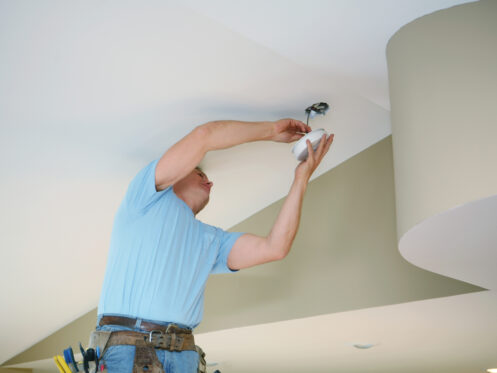
CO detectors are the only reliable way to identify this invisible hazard. Install them on every level of your home and near all sleeping areas. Test them monthly, replace batteries twice a year, and replace each unit every 5–10 years according to the manufacturer’s label.
Don’t Use Unvented Fuel-Burning Devices Indoors
Never run a generator, charcoal grill, or fuel-powered engine inside your home or garage, even with doors open. CO can seep into living areas. Operate portable generators outdoors, at least 20 feet from doors, windows, and vents.
Keep Vents and Flues Clear
Snow, ice, and debris can block furnace or water-heater vents, especially in Michigan winters. A blockage can cause combustion gases to back up into your home. Regularly check outdoor vents to ensure they remain clear and unobstructed after storms.
Schedule Annual Safety Inspections
Have all gas-burning appliances, including furnaces, fireplaces, and water heaters, inspected each year by a qualified technician. Our team uses combustion analyzers and CO meters to detect leaks invisible to the eye. We address small issues before they become major safety concerns.
The Importance of Professional Safety Checks
Ensuring Your Home’s HVAC System Is Safe This WinterProtecting your family from carbon monoxide is a year-round responsibility that peaks in winter. At AJ Danboise Plumbing, Heating, Cooling & Electrical, we offer comprehensive HVAC services, including repairs, installation, and maintenance, to keep your home safe and efficient. From furnace tune-ups to CO detector installation, we ensure your system operates safely and reliably.
Schedule your maintenance appointment today, and stay warm knowing your home is protected from hidden CO dangers.