Table of Contents
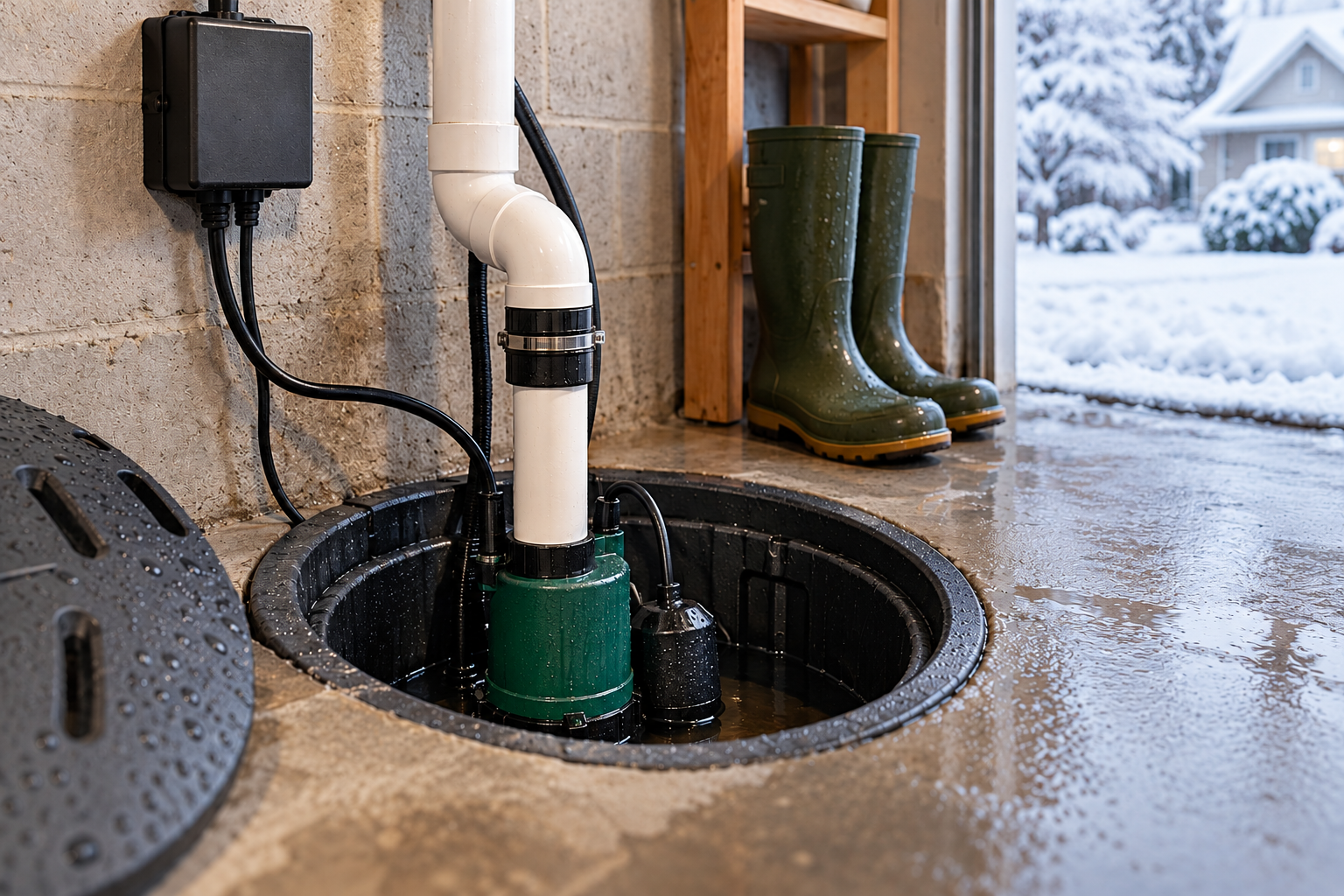
Sump pump maintenance in the fall comes down to a few quick checks: confirm the pump has power, clear debris from the pit, test the float with a bucket of water, and make sure the discharge line outside is open and draining away from the house. A pump that passes those checks in October is far more likely to keep a Michigan basement dry through November rain and the first big thaw.
Fall is the right time because the pump often sits idle through a dry late summer, and a float that hasn’t moved in weeks can stick when the first heavy storm arrives.
Why Michigan Basements Need a Fall Check
Much of southeast Michigan sits on heavy clay soil that holds water near the foundation instead of letting it drain away. Fall brings steady rain, and winter adds a second risk: snow piles up against the house, then melts all at once during a warm spell, sending a lot of water toward the basement in a short window.
Cold weather also creates a problem summer never does. If the discharge pipe outside freezes or gets buried under snow, the pump can run and run without moving any water out. That’s why a fall check covers both the pump in the basement and the pipe on the side of the house.
The Fall Sump Pump Checklist
Work through these steps in order, since each one sets up the next.
- Check the power source: Make sure the pump is plugged directly into a working GFCI outlet, never an extension cord, and reset the outlet if it has tripped.
- Unplug and clear the pit: With the power off, remove the lid and scoop out gravel, silt, and debris so nothing can jam the float or clog the intake.
- Clean the inlet screen: Rinse the screen at the base of the pump, since a clogged screen is a common reason a pump runs without moving water.
- Plug the pump back in and test it: Slowly pour a five-gallon bucket of water into the pit and watch the float rise, the pump kick on, and the water level drop before it shuts off.
- Check the discharge line outside: While the pump runs, confirm water exits the pipe freely and flows at least a few feet away from the foundation, then clear leaves or snow from the outlet.
- Test the backup: If you have a battery backup, unplug the main pump and repeat the bucket test so you know the backup switches on by itself.
If the pump hums but doesn’t empty the pit, cycles every few seconds, or doesn’t turn on at all, that’s a sign it needs professional attention before the next storm. It’s smart to repeat the bucket test every few months.
Warning Signs Your Sump Pump Is Failing
Testing tells you how the pump performs today, but a few warning signs point to trouble on the way. Grinding or rattling noises usually mean worn parts, and a pump that runs constantly may be undersized or have a stuck float switch. Water stains, musty smells, or damp spots near the pit show that water isn’t leaving fast enough.
Age matters too. Most sump pumps last about 10 years, so a decade-old pump deserves a closer look even if it still runs. Knowing how a sump pump works makes those failures easier to spot: the float starts the motor, the check valve keeps pumped water from falling back into the pit, and the discharge line carries it outside.
Other Ways to Keep Water Out of Your Basement
A healthy pump is only part of basement flooding prevention. Clean gutters and extend downspouts so roof water lands well away from the foundation instead of soaking the soil right next to it. Check that the ground slopes away from the house, and pour water down basement floor drains so a clogged floor drain doesn’t surprise you during a storm.
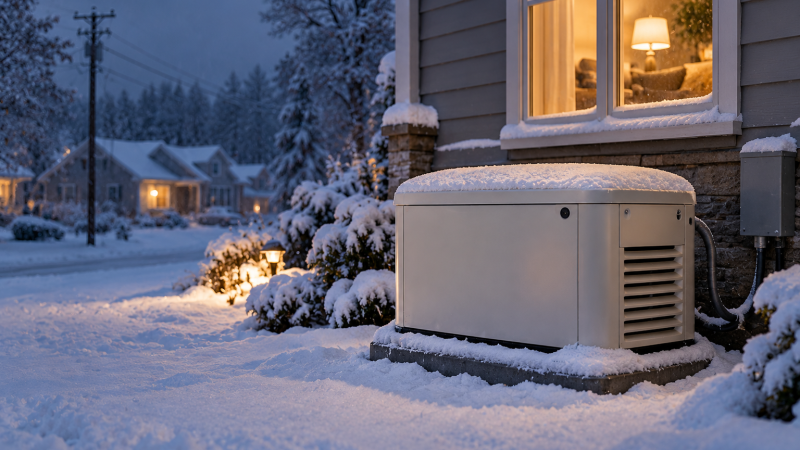
Power outages deserve a plan as well, because heavy storms and ice often knock out electricity right when your pump is needed most. A battery backup buys you time, and a standby generator installation keeps the primary pump running through longer outages.
Get Your Sump Pump Ready Before the Next Storm
If your pump failed any step on this checklist, or you’d rather have a professional handle it, AJ Danboise Plumbing, Heating, Cooling & Electrical can inspect, repair, or replace it before the weather turns. Our plumbers install battery-powered and water-powered backups too, and you’ll get an upfront price before any work begins. Schedule sump pump service online and head into winter with a basement that’s ready for it.
Frequently Asked Questions
The cost depends on what the visit turns up, from a simple cleaning and float adjustment to a new check valve, a replacement pump, or an added battery backup. Pump type, pit condition, and whether the discharge line needs work all affect the final price. A good plumber gives you a flat-rate price before starting so you can compare repair and replacement.
Replacement usually makes sense when the pump is 10 or more years old, fails the bucket test, or runs constantly without keeping up. Burned-out motors, rusted housings, and repeated float switch problems are also strong signs. If repairs are adding up on an older pump, a new one is often the better value.
Plain water and a little mild dish soap are usually enough to clean the pump housing and inlet screen after you unplug it. A shop vac works well for pulling sediment out of the pit. Skip harsh chemicals and bleach, since they can damage seals and won’t stop debris from building up again.

Written By AJ Danboise Son Inc.
Fourth-generation family-owned. Serving Metro Detroit with HVAC, plumbing & electrical since 1925.