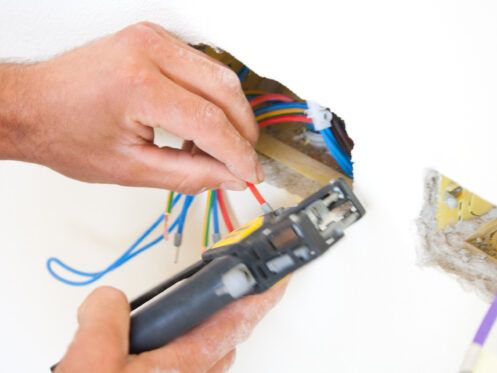
A home’s electrical wiring can last at least 50 years. Proper maintenance can help extend its lifespan even further. At some point, you may need whole-house rewiring, which is beneficial for your home and the functionality of your electrical system. Several signs indicate it may be time to consider this service, especially for safety purposes.
1. Flickering Lights
Flickering lights are a surefire sign that something is wrong with your electrical system. They typically indicate overloaded circuits or voltage fluctuations. Our electricians will test for common causes, including loose connections, bad switches or outlets, and faulty breakers.
2. Burning Odor
A burning smell coming from a light switch, outlet, or any electrical device is a serious problem. It often indicates overheating wires or a faulty connection. It’s critical not to continue using anything that’s producing this odor. For example, if an outlet smells like it’s burning, don’t continue to plug things into it. If you can’t tell exactly where the odor is coming from, discontinue using electricity in that area altogether.
3. Frequent Circuit Breaker Trips
Breakers that trip repeatedly without any clear reason are another sign you might need whole-house rewiring. This usually indicates that either the circuits are overloaded or the wiring is faulty. Rewiring can prevent this problem from recurring by updating your system to safely handle your current electrical loads and needs. If you notice the breaker keeps tripping, don’t keep resetting it to try to force it to stay on. This puts your safety and home at risk.
4. Age of the Wiring
If your wiring is at least 40 years old, it may be time to consider preemptive rewiring before frequent problems begin. Older electrical wiring wasn’t designed to handle today’s higher demands and likely doesn’t meet current safety standards. Rewiring can help prevent safety risks and provide peace of mind whenever you use an electrical device in your home.
5. Sparking Outlets
Outlets should never spark when you plug something into them. If they do, it usually indicates a problem like loose connections or worn-out wiring. Don’t continue using outlets that spark, as this could lead to electrical shock, a fire, or damage to the device you’re plugging in.
6. Buzzing or Humming Sounds
There shouldn’t be any persistent, loud sounds, such as buzzing or humming, coming from your switches or outlets. This is typically a warning sign of an electrical issue like loose wires or damaged components. Don’t continue using anything that’s making unusual noises until an electrician can evaluate it.
7. Major Home Remodeling Project
If you’re planning a major home remodeling project, such as an addition, rewiring can be a smart investment. New outlets, lighting, and appliances may exceed the capacity of your current wiring. Rewiring beforehand offers several benefits, including ensuring it meets local safety codes. It can also fully support your new plans, leading to fewer frustrations and safety issues after the remodeling is complete. Additionally, it can help prevent delays caused by unexpected electrical problems.
8. Heavy Energy-Usage Additions
Certain items, such as hot tubs and EV chargers, draw a significant amount of electricity. If you plan to add them to your home, your current electrical setup may not be able to support the heavier load—especially if it’s been decades since your system was updated. This can lead to numerous problems, including fires, device damage, and frequent breaker trips. Rewiring before installing these items is a smart decision and allows the installer to ensure a safe and accurate setup.
Let our team know your plans in advance so we can prepare your electrical system. This preemptive step also ensures you can use your new items immediately without encountering problems.
9. Ungrounded Outlets
You can typically recognize ungrounded outlets by their appearance. Instead of accommodating three-prong plugs, they only allow for two-prong connections. These outlets are usually incompatible with modern devices and unsafe to use because they lack a grounding wire. There’s a high risk of electrical shock if you continue using them. Whole-home rewiring can provide proper grounding and bring your system up to current safety standards. We can also replace outlet covers to meet modern codes.
10. Repeated Problems
If you’re constantly experiencing electrical issues, from flickering lights to sparking outlets, it may be a sign that you need whole-house rewiring. Frequent repair costs can quickly add up. Investing in rewiring may be a safer and more cost-effective solution that provides reliable, consistent electrical performance.
Can I Fix the Electrical Issues Myself?
We strongly advise against fixing electrical problems on your own. There’s a high risk of injury or death from electrical shock. You may also inadvertently damage your system further or start a fire. Only professional electricians should handle these tasks.
What Should I Do if I Notice Electrical Problems?
If you notice electrical problems, such as buzzing noises, turn the power off immediately at the breaker panel. Stop using electrical items and unplug as many as possible, including washing machines, laptops, and televisions. Leaving devices plugged in can put them at risk for damage if a surge occurs when power is restored. Don’t turn the power back on yourself. Contact us right away so we can assess the situation.
Can I Wait to Contact an Electrician?
It’s never safe to delay seeking help when you notice an electrical problem. These issues can escalate quickly and may lead to serious hazards, including fires. Scheduling service immediately can help prevent further damage.
How Often Does an Electrical System Need an Inspection?
This depends on the age of your home and electrical system. If your house is more than 20 years old, inspections every one to three years are recommended. If the wiring is several decades old, annual inspections are advisable. Homes built within the past two decades or recently rewired can typically be inspected every three to five years. However, if you’re experiencing issues, schedule an inspection immediately.
Can I Do Partial Rewiring Instead of Whole-Home Rewiring?
Partial rewiring is often suitable for localized issues. However, whole-home rewiring may be recommended when a house has widespread outdated or unsafe wiring. Full rewiring improves safety and helps ensure the system meets current electrical codes.
Make sure your home’s electrical system is in top shape. AJ Danboise Plumbing, Heating, Cooling & Electrical in Farmington Hills, MI, offers high-quality whole-house rewiring, repairs, and a wide range of other electrical services. Call us today to schedule an appointment or book services online through our website.