
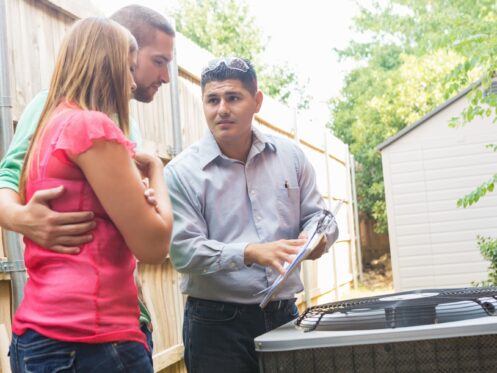
Living in Michigan means dealing with a lot of unpredictable weather conditions. Temperatures can swing dramatically from warm days to chilly nights. These fluctuations can put a lot of stress on your HVAC system, which can leave you frustrated when it isn’t keeping up with your demands. Understanding the root cause of why your HVAC system is struggling can help you take proactive steps to enhance your comfort.
The Challenges of Michigan Weather
Michigan winters bring heavy snowfall and prolonged subfreezing temperatures. Summers can bring humid conditions that exceed 90 degrees Fahrenheit. Michigan also experiences rapid temperature swings that can change temperatures by 20 to 30 degrees in a single day. Part of this is due to lake effect weather from Lake Michigan.
Understanding How HVAC Systems Work
Heating systems like furnaces and boilers can run on natural gas, heating oil, propane, or electricity. Systems that run on gas or oil burn fuel to create heat for your home. Those that run on electricity use a heating element powered by electricity to produce warm air. Heat pumps and mini-split systems use refrigerant to absorb heat and move it into your home.
Air conditioning systems include central air conditioners, window units, heat pumps, and ductless mini-splits. These all use refrigerant to absorb heat from inside your home and release it outdoors. All these systems have thermostats that control when they turn on and off. Most systems will cycle about two to three times per hour to reach your desired temperature setting.
Wrongly Sized Equipment
One of the most common reasons your HVAC system may not keep up with extreme temperature changes is incorrect sizing. If your system is too small, it may struggle during extreme hot and cold spells. If your system is oversized, it may cycle on and off too frequently, leading to inconsistent comfort throughout your home.
Here are some signs of an undersized HVAC unit:
- Unevenly heated or cooled rooms
- Constantly running system
- Spikes in energy bills
If your HVAC system is improperly sized, replacement is often the most effective long-term solution. This is why it’s important to have a professional HVAC technician perform a proper load calculation when choosing a new system. They can help ensure it is correctly sized for your space.
Aging Equipment
As your HVAC system gets older, it will naturally start to lose efficiency. This happens as internal components begin to wear out. The compressor, blower motors, and heat exchangers all degrade over time and may eventually require replacement. If you’re calling frequently for AC repair, your unit may be nearing the end of its service life.
You may notice that your air conditioner struggles to remove humidity during humid Michigan summers. Your heating system may also have difficulty keeping up during cold snaps. While regular maintenance can help extend the lifespan of your equipment, it cannot prevent eventual wear. Replacing aging equipment when recommended can help maintain comfort during temperature extremes.
In general, furnaces and boilers that burn fuel may last about 15 to 20 years. Systems that rely on electricity may last about 20 to 30 years. Heat pumps typically last 10 to 15 years, while ductless mini-splits can last 15 to 20 years. Central air conditioners often last about 15 to 20 years with proper maintenance.
Poor Airflow
Restricted airflow can prevent heated or cooled air from reaching all areas of your home efficiently. This can cause your system to work harder to maintain a comfortable indoor temperature. Over time, this added strain can increase wear on system components and raise the likelihood of breakdowns during extreme weather.
Common airflow issues include:
- Dirty air filters
- Blocked or closed vents
- Leaky ductwork
- Obstructions at supply and return vents
Inadequate Sealing and Insulation
Another reason for discomfort during temperature extremes is inadequate sealing and insulation. Air leaks around doors and windows allow outdoor air to enter your home, which can affect indoor temperatures and cause your HVAC system to run more frequently.
Poor insulation in windows, attics, and walls can also allow outdoor temperatures to influence indoor comfort. During sudden temperature swings, warm air can escape during cold weather, while cool air can escape during warmer months. Improving insulation and sealing air leaks can help reduce strain on your HVAC system and support more stable indoor temperatures.
Thermostat Issues
Sometimes the issue may not be with your HVAC system itself. It could be related to the thermostat controlling the system. A poorly placed or miscalibrated thermostat can lead to uneven temperatures and discomfort. Routine heating and AC maintenance can help ensure your thermostat is properly calibrated and reading accurate temperatures.
Poor Humidity Control
Humidity levels inside your home can significantly affect comfort. During summer months in Michigan, humidity levels can become very high. When excess moisture builds up indoors, it can make the air feel warmer than it actually is because it reduces your body’s ability to cool itself.
Adding a whole-home dehumidification system can help better manage indoor humidity levels. When humidity rises above your set level, the system can activate to remove excess moisture. This can improve comfort without requiring major changes to your thermostat settings.
Reliable HVAC Maintenance Service
AJ Danboise Plumbing, Heating, Cooling & Electrical provides reliable HVAC maintenance service for Farmington Hills, MI, and the surrounding towns. We can also assist with your AC and furnace repair, maintenance, and replacement needs.
Contact us today to schedule your next appointment with one of our experienced HVAC technicians.