Table of Contents
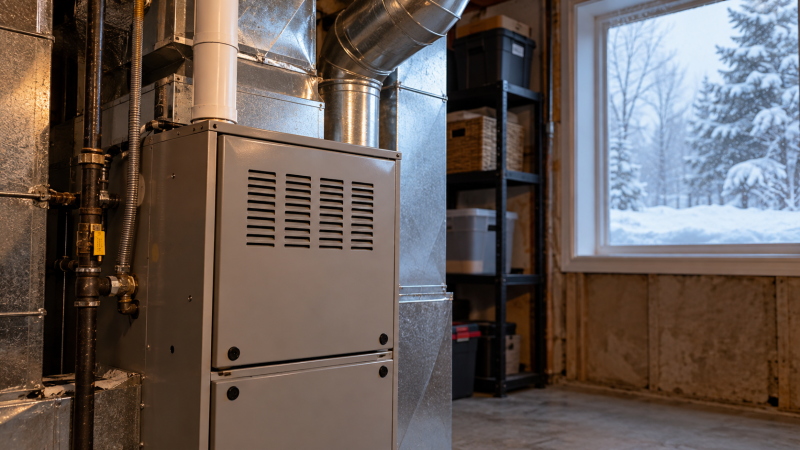
In most cases, yes: a 20-year-old furnace is at or past the end of a typical gas furnace’s 15 to 20 year lifespan, and replacing it on your own schedule costs less stress than replacing it after a breakdown. A furnace that age that still runs safely doesn’t have to come out tomorrow, but it’s time to start pricing a replacement. The deciding factors are the furnace’s safety, how often it needs repairs, and how much those repairs cost compared with a new unit.
Michigan winters make the decision more pressing. A furnace here may run six or seven months a year, and a January failure can mean frozen pipes on top of a cold house.
How Long Do Furnaces Last in Michigan?
Most gas furnaces give 15 to 20 years of service before major parts start failing. Units that skipped tune-ups, sat in damp basements, or were oversized for the house tend to wear out sooner, because short, frequent cycles are hard on igniters, blower motors, and heat exchangers.
Age alone doesn’t make a furnace dangerous, but it changes the odds. The older the unit, the more likely each winter brings a costly repair, and parts for discontinued models get harder to find.
The Repair-or-Replace Math
Two quick rules help put numbers to the decision. The first compares a single repair with the price of a new furnace: if the repair costs more than about 25 percent of a replacement, putting that money toward a new furnace is usually the better value.
The second is the $5,000 rule, which multiplies the furnace’s age by the repair cost. At 20 years old, even a modest repair quote can push a furnace over that line. Neither rule is perfect, but both keep an old furnace from turning into a string of repair bills.
Signs Your 20-Year-Old Furnace Is Ready to Go
Beyond the math, a few warning signs mean replacement should move to the top of the list. If you notice more than one, get a professional opinion before the next cold snap.
Repairs Every Heating Season
One repair in a decade is normal. A furnace needing an igniter one winter, an inducer motor the next, and a control board after that tells you the rest of its parts are wearing out, too.
Rising Gas Bills
An older furnace loses efficiency as burners, heat exchangers, and blower motors wear. If your gas usage climbs while your thermostat habits stay the same, the furnace is burning more fuel to deliver the same heat. Comparing your unit’s original furnace efficiency ratings with what new models offer shows how much of that fuel is going up the flue.
Uneven Heat and Short Cycling
Cold rooms or a furnace that runs constantly can point to a tired blower. A unit that shuts off after a few minutes often has failing controls or an overheating heat exchanger.
Yellow Flames, Soot, or Odd Smells
A healthy gas flame burns blue. A yellow or flickering flame, soot around the furnace, or a lingering odor can signal incomplete combustion or a cracked heat exchanger, which can let carbon monoxide into the house. Shut the furnace off and have it inspected right away if you see these signs, and keep working carbon monoxide alarms on every level of your home.
A yellow flame is one of the more serious signs your furnace isn’t ready for winter, and on a furnace this age it rarely shows up without weak airflow or a slow start.
When Keeping an Older Furnace Still Makes Sense
Not every 20-year-old furnace needs to go right away. If the heat exchanger is sound, repairs have been rare, and the fix in front of you is small, a professional furnace repair can buy you a season or two while you budget for a replacement.
Use that time to plan. A quote in the fall or spring gives you room to compare efficiency options and financing instead of taking whatever’s available after a breakdown.
What a New Furnace Changes
Today’s high-efficiency gas furnaces turn 90 percent or more of their fuel into heat, while many standard furnaces from the early 2000s were rated closer to 80 percent. Variable-speed blowers run longer at lower speeds, which keeps temperatures more even from room to room and makes the furnace noticeably quieter. A new furnace also comes with a fresh manufacturer’s warranty.
If you’re weighing a furnace replacement, AJ Danboise Plumbing, Heating, Cooling & Electrical can help you compare the cost of one more repair against a new Trane furnace sized for your home. Our technicians give you a flat-rate price before any work starts, and our Repair vs. Replacement Promise means we’ll tell you when a repair isn’t worth it.
Frequently Asked Questions
A 30-year-old furnace can still run safely if a technician confirms the heat exchanger, venting, and safety controls are sound. The risk is that cracks and corrosion become more likely with every year, and a cracked heat exchanger can leak carbon monoxide. Have a furnace that old inspected every fall and keep carbon monoxide alarms working on each floor.
Some furnaces do last 30 years, especially simpler older models that got yearly maintenance. Most homeowners replace well before that, though, because efficiency and reliability drop off sharply after 20 years. Reaching 30 usually means paying for more repairs and higher gas bills along the way.
Replacing both at once often costs less than doing them separately, because the installation happens in one visit and the equipment can be matched. It also makes sense when the AC is close in age to the furnace, since both share the same blower and ductwork. If your AC is much newer, replacing only the furnace is usually fine.

Written By AJ Danboise Son Inc.
Fourth-generation family-owned. Serving Metro Detroit with HVAC, plumbing & electrical since 1925.